Easements & rights of way
Access, utilities, shared driveways
We draft, defend and challenge easements, from shared driveways and utility corridors to beach access paths, and resolve disputes about their scope and use.
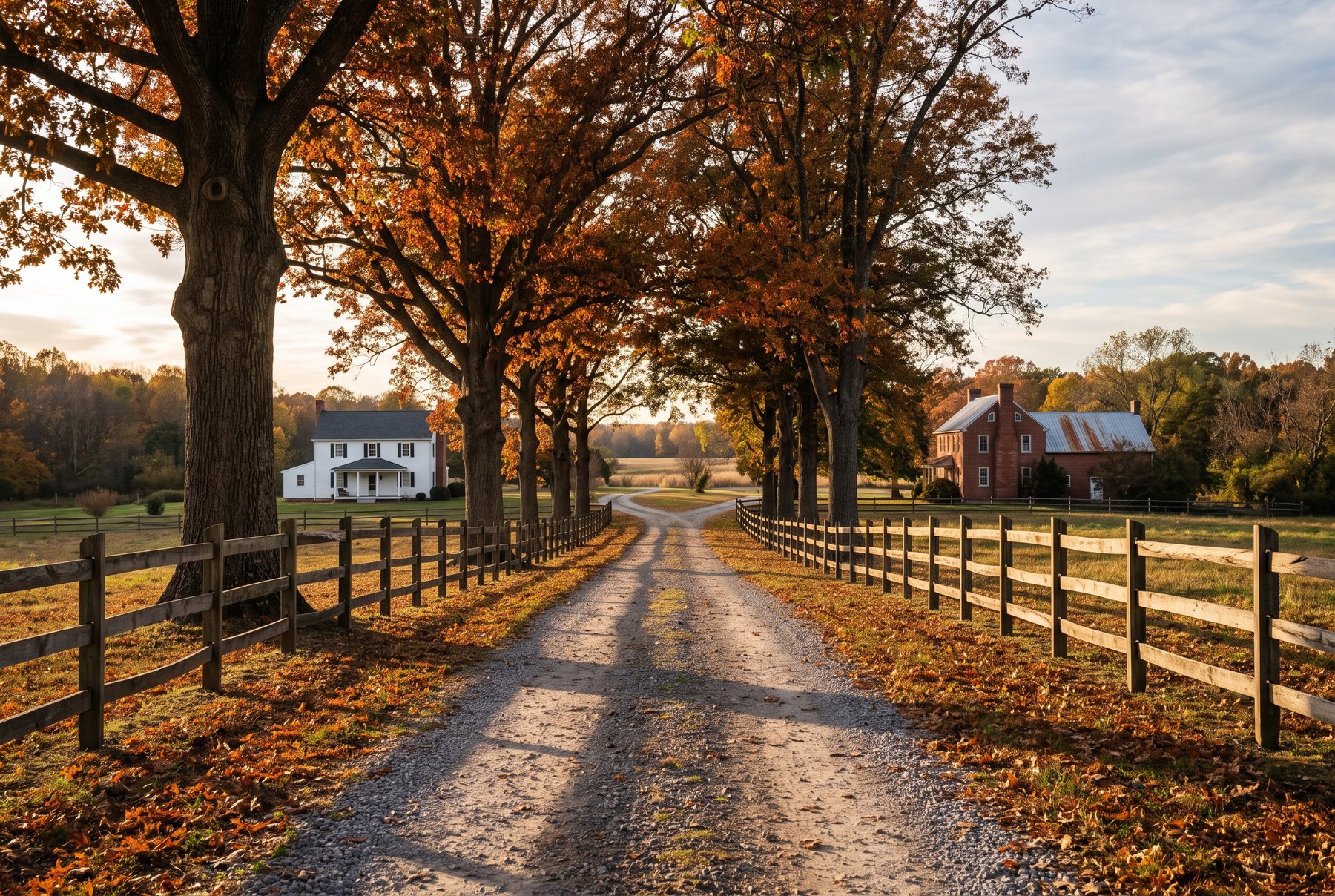
An easement can be a line in a 1950s deed, a path everyone has used for decades or a utility corridor nobody remembers granting. Disputes usually turn on two questions: does the right exist, and what does it allow? We answer both from the records and the history of use, then look for a solution that lets both owners get on with their lives.
When to call us
- A driveway, lane or path you rely on is being blocked or closed
- A neighbor is using an easement in a new way, such as heavier or commercial traffic
- A utility wants to widen or move a corridor across your land
- You need an easement written properly before a sale or subdivision
How a matter runs.
Four stages. Most matters end at the second or third; the fourth is there when they don’t.
Read the grant
We find the deed or plat that created the easement, if one exists, and read exactly what it allows.
Reconstruct the use
Where the right comes from long use, we gather photographs, aerial images and statements that show how and how long the land was used.
Agree a fix
Many disputes end in a written easement agreement that sets the route, the use and who maintains it.
Ask the court
If not, we ask the court to declare whether the easement exists and what it covers.
Related results.
Matters of this kind from recent years. Open any case for the details.
Prior results do not guarantee a similar outcome. Every case turns on its own facts and law.
Asked first.
General information, not legal advice. Every situation is different.
More in property law
Can an easement be moved?
Sometimes, by agreement, and in limited cases by the court. A written relocation agreement, recorded in the land records, is the cleanest route.
Who maintains a shared driveway?
The easement or a separate agreement may say. If it is silent, the law generally expects the user of the easement to keep it in repair, but the details vary.
Can years of use create a right?
In Maryland, open and continuous use without permission for twenty years can create a prescriptive easement. Permission defeats the claim.
Tell us what happened.
A partner reads every request and replies within one business day. The first conversation is about your situation and your options, and it costs nothing.