What should an interior designer's website include?
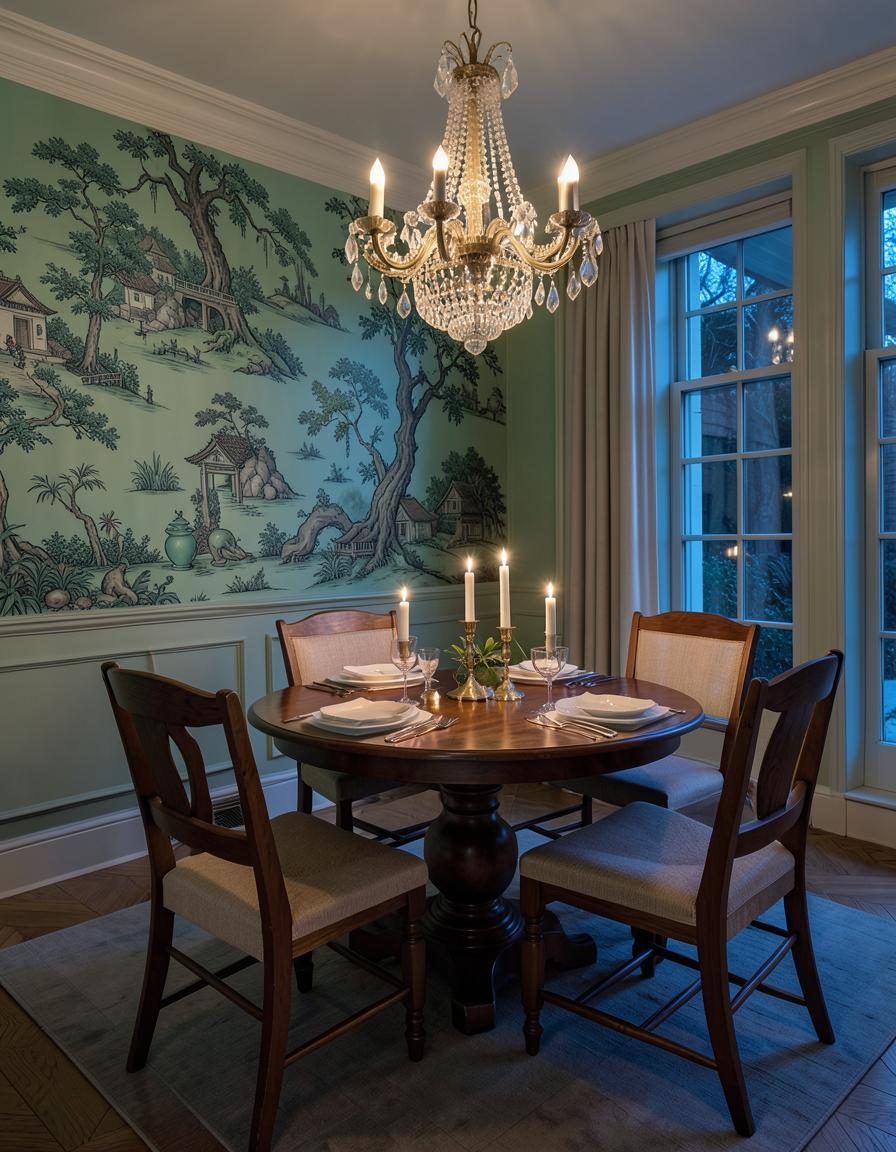
Most interior design websites are galleries. They show beautiful rooms, and then they stop. A visitor admires the photographs, has no idea what happens next, and leaves. The sites that bring in commissions do something different: they walk a prospective client from "I love this room" to "I've booked a consultation."
Organize the portfolio by project, not by photo
A grid of unrelated rooms makes it hard to picture working with you. Present each project as a story: the house, what the owners wanted, the rooms you did and a few details you are proud of. Clients buy an experience, not a sofa, and a project story shows them the experience.
If you want the portfolio to earn its keep, let visitors look closer. Tapping a photograph to see the maker of a chair or the name of a paint color keeps people on the page longer and starts conversations about their own home.
Explain how an engagement works
Prospective clients are often nervous about cost and process. A short, calm explanation removes that fear:
- What a first consultation involves and whether it is paid
- The stages of a project, from concept to installation
- Roughly how long a typical room or whole house takes
- How you charge, even if you do not publish numbers
This one page does more to qualify leads than any contact form.
Introduce yourself properly
Clients are inviting you into their home. Your about page should read like an introduction at a dinner party, not a résumé: where you trained, what you love, the kind of house you do your best work in, and a portrait that looks like you on a good day.
Show a before-and-after
Nothing demonstrates what you do faster than a room as the owners bought it next to the room as it is now. An interactive slider lets the visitor discover the change themselves, which is far more persuasive than two photos side by side.
Make the next step obvious
Every page should end with a single, clear invitation: request a consultation. Keep the form short. Ask for the kind of home, the rooms, rough timing and a way to reach them. A short style quiz at the end is a pleasant way to gather the rest.
Be findable by the people searching for you
People look for designers by place and by style: "interior designer Annapolis historic home" or "coastal interior designer Eastern Shore." Name your towns and specialties plainly on the site, keep your Google Business Profile current, and publish short answers to the questions clients ask you. Those answers are what search engines and AI assistants quote when someone asks who to call.
Common questions
Do I need a blog as an interior designer?
Not a traditional one, but short project stories and answers to client questions help you appear in search results and in AI answers when people look for designers nearby.
Should I show prices on my site?
Most high-end designers do not publish fees, but explaining how you charge, such as a design fee plus procurement, filters out poor fits before the first call.
How many projects should my portfolio show?
Six to ten strong, well-photographed projects usually beat thirty weaker ones. Show each as a story with several rooms.