When a neighbor builds over your line
What to do, and what not to do, when a fence, shed or driveway seems to cross your boundary.
Related practice: Boundary & survey disputes
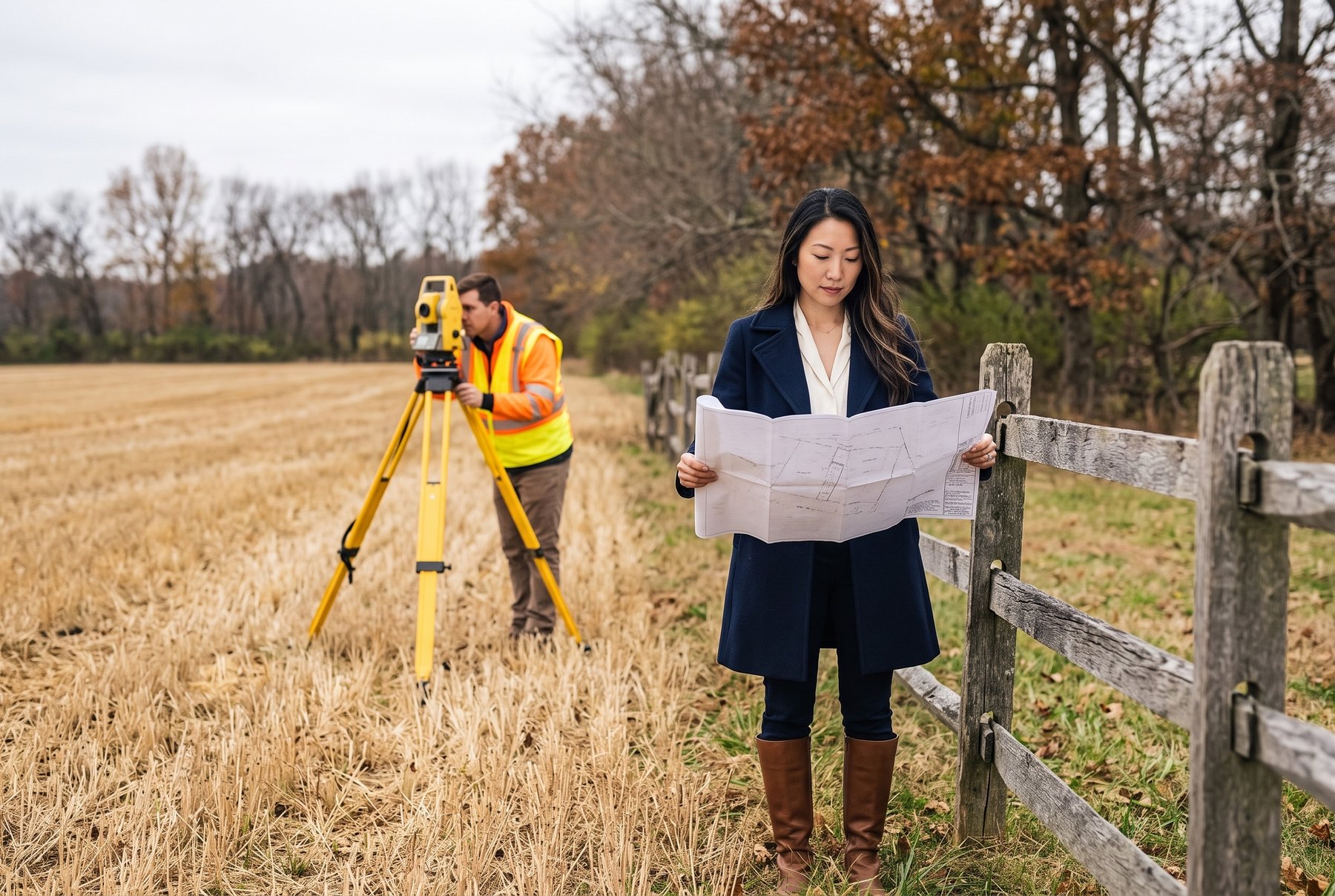
Don’t tear it down
The instinct is to pull out the fence or move the stakes. Resist it. If the line turns out to be somewhere other than where you thought, you may be the one who damaged a neighbor’s property. Even if you are right, self-help tends to turn a solvable disagreement into a lawsuit.
Find your records
Gather your deed, any survey or plat you received at closing, and your title insurance policy. The land records for every Maryland county are online through MDLandRec, and the plats recorded for your subdivision may show the line clearly.
Photograph the structure and the area around it, with dates. If there are old fences, trees or markers, photograph those too.
Get a survey
A licensed surveyor can locate the boundary and any monuments. If a recent survey already exists and the neighbor disputes it, a second surveyor’s view, or a joint meeting of both surveyors, often settles the question.
Talk, then write
Many neighbors do not know they have crossed the line. A calm conversation with the survey in hand resolves more disputes than any letter. If it does not, a letter from a lawyer setting out the evidence and proposing a fix, such as moving the fence or signing a boundary line agreement, usually comes next.
When to go to court
If the neighbor refuses, or claims the strip by long use, a quiet title action asks the court to declare where the line is. Claims of adverse possession depend on how the land was used and for how long, so do not wait if someone says they have used your land for years.
General information, not legal advice. Every situation is different, and deadlines can matter. If this guide describes your situation, talk to a lawyer early.